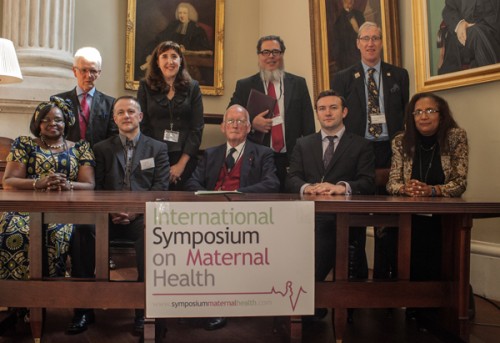
Dublin – A major medical symposium in Ireland this week concluded that abortion is not medically necessary to save the life of a pregnant mother.
About 140 Irish medical professionals participated in the International Symposium on Excellence in Maternal Healthcare. The symposium featured a panel of world-renowned experts in the fields of mental health, obstetrics and gynecology, and molecular epidemiology who presented their cutting-edge research and data gathered over years of clinical experience.
The symposium expert committee released its conclusions in the Dublin Declaration on Maternal Healthcare, which states:
- “As experienced practitioners and researchers in Obstetrics and Gynaecology, we affirm that direct abortion is not medically necessary to save the life of a woman.
- We uphold that there is a fundamental difference between abortion, and necessary medical treatments that are carried out to save the life of the mother, even if such treatment results in the loss of life of her unborn child.
- We confirm that the prohibition of abortion does not affect, in any way, the availability of optimal care to pregnant women.”
 The symposium particularly addressed issues of maternal mortality and morbidity, care for women with high-risk pregnancies, mental health, cancer in pregnancy, and fetal anomaly. Expert presentations addressed new therapies which involve the safe delivery of chemotherapy during pregnancy and the emerging field of in-utero fetal surgery.
Because abortion is currently the subject of public debate in Ireland, abortion proponents have been quick to confuse legitimate medical treatment with abortion. Professor Eamon O’Dwyer, chairman of the Committee for Excellence in Maternal Healthcare, believes that the Dublin Symposium clears up misinformation and provides “clarity and confirmation” to doctors and legislators.
“Irish Obstetricians and Gynaecologists have previously pointed out that treatment for conditions such as ectopic pregnancy are not considered abortion by doctors, yet misinformation in regard to this abounds in public debate. The Symposium clarifies that direct abortion is never medically necessary to save the life of a woman, and that’s good news for mothers and their babies,” said Professor O’Dwyer.
International experts at the symposium applauded Ireland’s impressive track record on maternal health care. According to UNICEF, the nation consistently boasts one of the lowest maternal mortality rates in the world (#1 in 2005, #3 in 2008).
Dr. Seán Ó Domhnaill, medical adviser to the Life Institute, hailed the global import of the symposium’s findings: “This is a globally significant outcome, which shows abortion has no place in treating women and their unborn children.”